8 Books Every Ambitious Entrepreneur in Dubai Should Read
- Juvy Ann Canto
- September 4, 2026
- Blog
- BusinessReading, DubaiEntrepreneur, EntrepreneurBooks
- 0 Comments
N
ot all business books are created equal.
Some teach tactics. Tactics expire. The following eight teach frameworks, philosophies, and ways of thinking that remain useful regardless of what the algorithm does next month or what the market looks like next year.
These are the ones we actually return to.
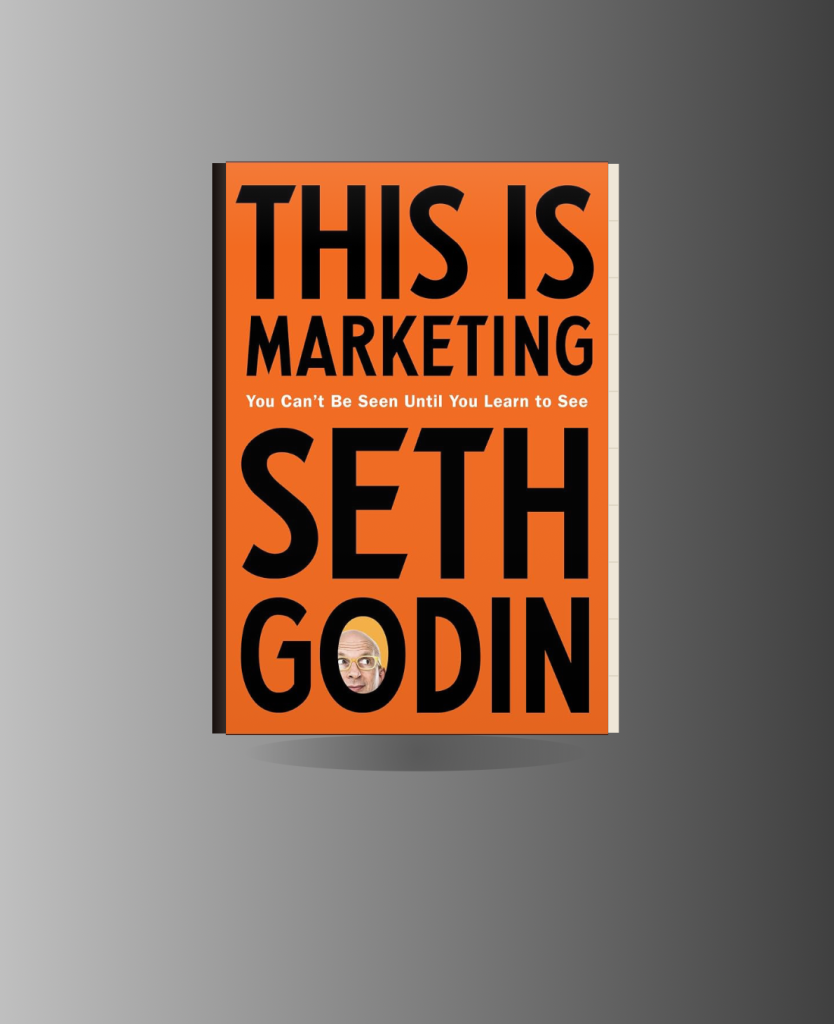
1. This Is Marketing — Seth Godin
The cleanest articulation of what marketing actually is — not shouting louder, but finding the smallest viable audience and serving them better than anyone else.
Godin’s core argument is deceptively simple: stop trying to market to everyone, and start mattering deeply to someone. In a city like Dubai where every brand is competing for the same attention, this reframe is not just useful — it’s necessary.
Essential reading for anyone who thinks marketing is about reach. It isn’t. It’s about relevance.
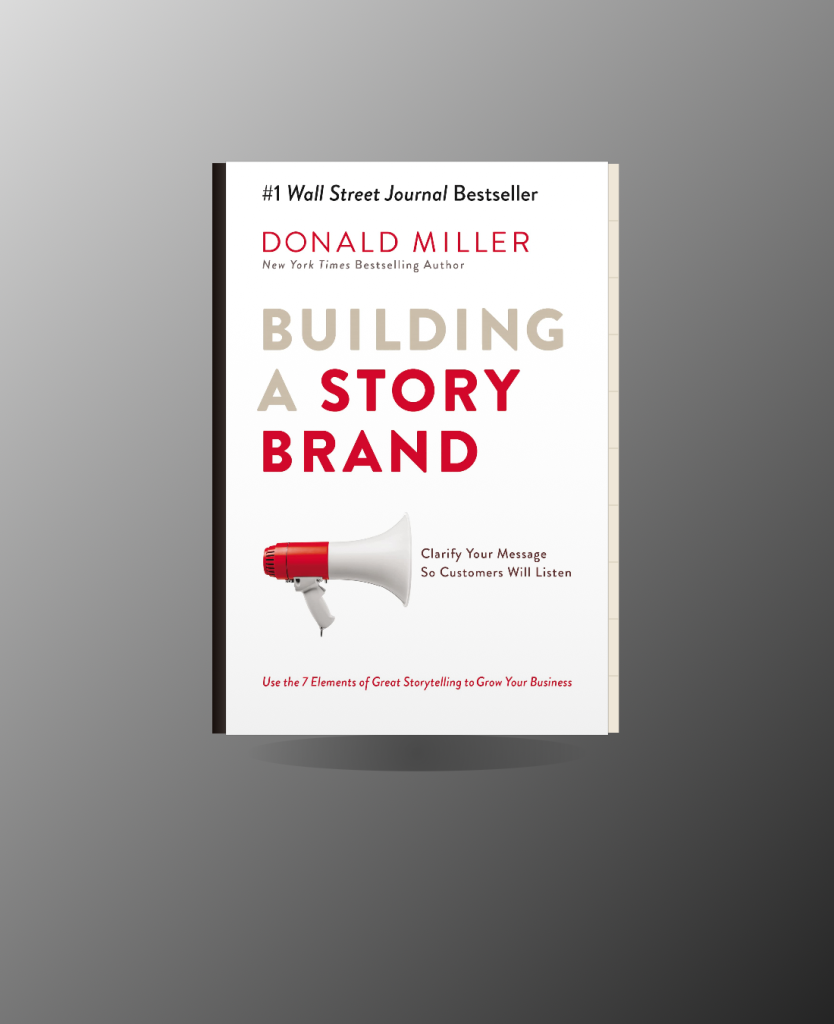
2. Building a StoryBrand — Donald Miller
If your website or marketing copy isn’t converting, this book will tell you why. The framework is simple: your customer is the hero. You are the guide. Businesses that invert this — making themselves the hero — consistently underperform.
Miller’s StoryBrand framework cuts through the noise most businesses create when they talk about themselves. Your audience doesn’t care about your history, your values wall, or your founder’s journey — not until they first see themselves in your story.
Position your customer as the one with the problem. Position your brand as the one with the solution. Make the next step obvious. That’s the entire formula, and it works every time it’s applied correctly.
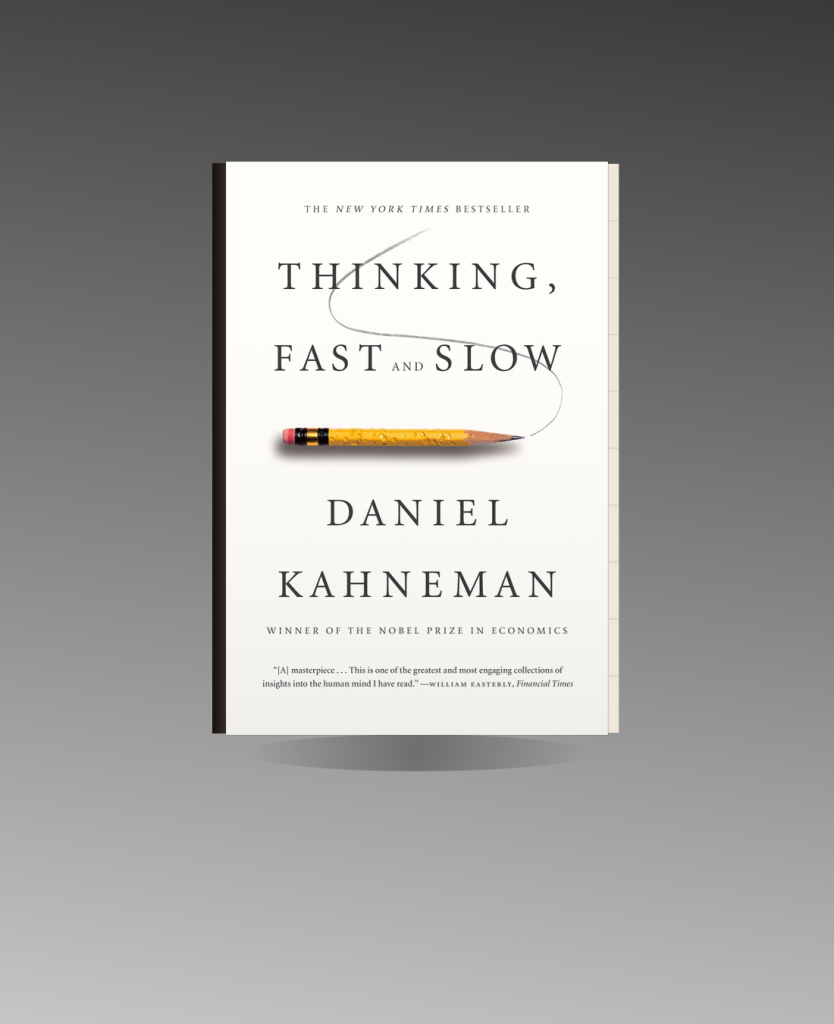
3. Thinking, Fast and Slow — Daniel Kahneman
Not a marketing book. A psychology book. But understanding how decisions are actually made — the interplay between fast emotional responses and slow rational reasoning — is the foundation of effective brand and marketing strategy.
Kahneman’s core insight is simple but powerful: most purchasing decisions are made emotionally and justified rationally afterward. Your brand is speaking to the instinctive mind long before any logical evaluation begins.
If you want to understand why people choose one brand over another when the products are nearly identical, this book has the answer. Dense in places, but worth every page.
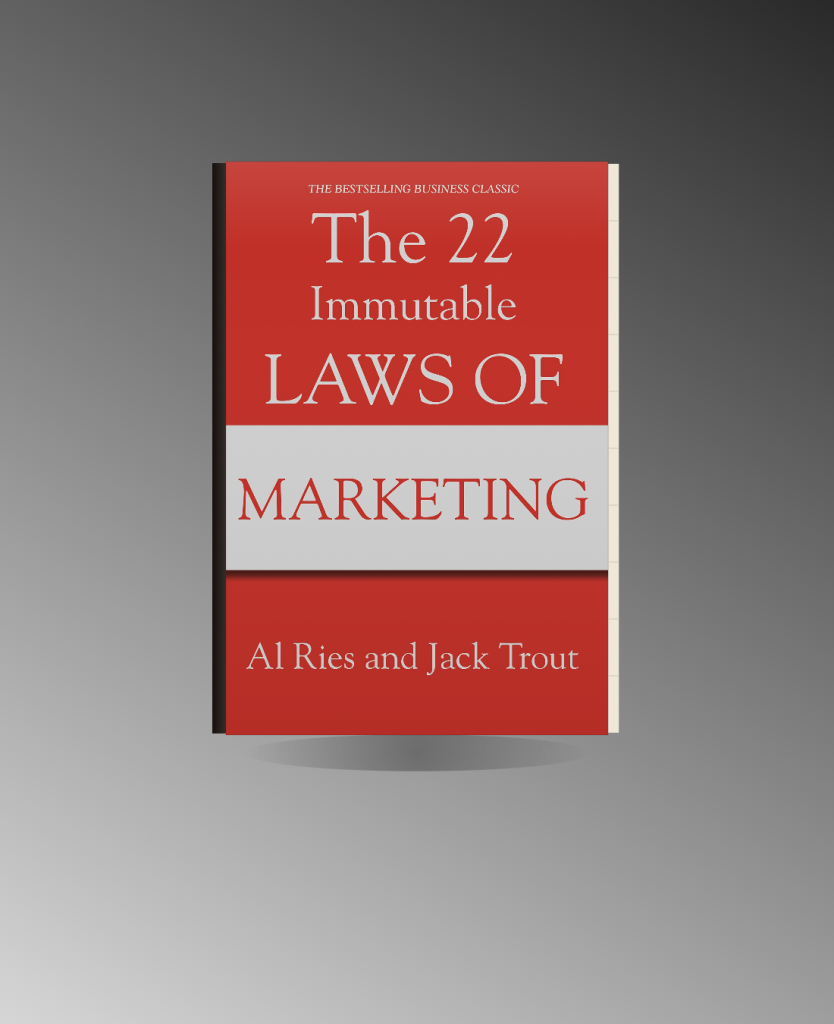
4. The 22 Immutable Laws of Marketing — Al Ries & Jack Trout
Written in 1993 and still dangerously accurate. The law of leadership. The law of the category. The law of perception. Marketing is fundamentally about the mind, and this book understood that before most of the industry did.
Thirty years of new platforms, new tools, and new buzzwords have not changed the underlying principles. If anything, the noise has made them more relevant. Read this alongside anything published in the last five years and you will quickly understand which ideas are timeless and which are trends.
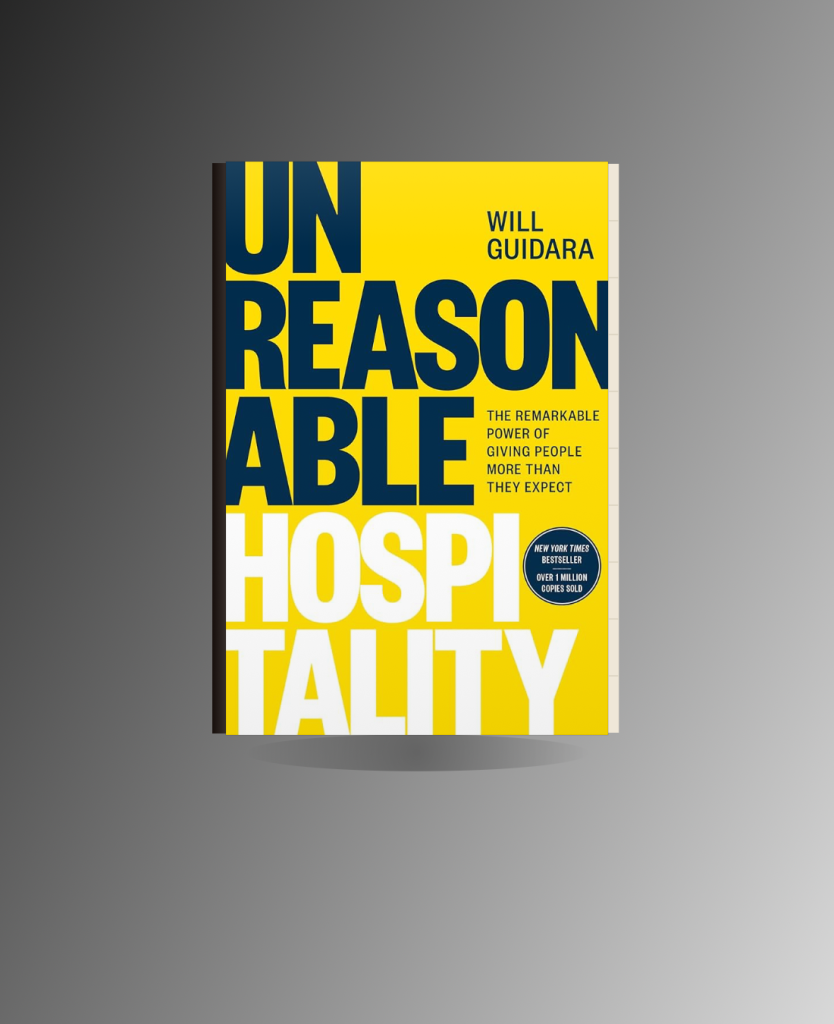
5. Unreasonable Hospitality — Will Guidara
Ostensibly about a restaurant. Actually about what it means to make someone feel so well taken care of that they can’t imagine going anywhere else. The best customer experience philosophy we’ve encountered, dressed in a genuinely great story.
Guidara ran Eleven Madison Park — at one point the best restaurant in the world — and this book is his case for going so far beyond expectations that the experience becomes the product. The lesson transfers directly to any business that wants clients to stay, refer, and return.
In Dubai’s service-heavy economy, this one hits differently.
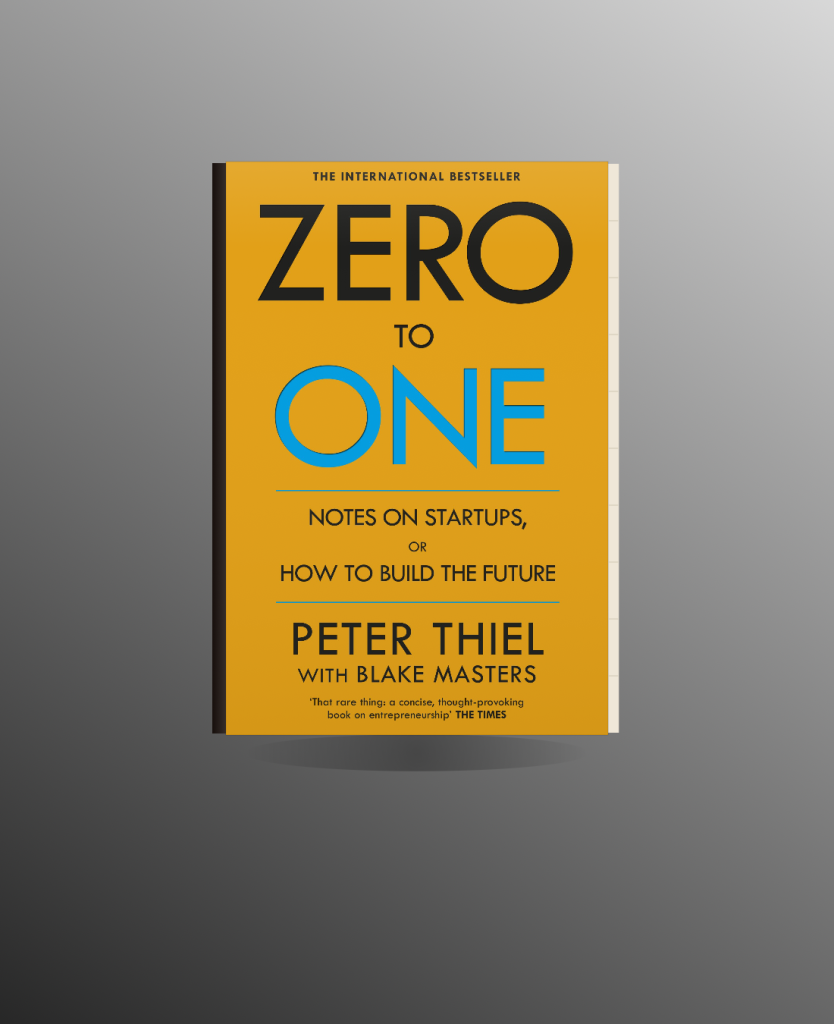
6. Zero to One — Peter Thiel
The argument for building something genuinely new rather than competing in an existing category. “Competition is for losers” is a provocation that contains a very real truth. Dubai’s market is full of people doing what already exists. The ones who win create their own category.
Thiel’s core question — what important truth do very few people agree with you on? — is one of the most useful things you can ask yourself before building a business, a product, or a brand. If your honest answer is “nothing,” you’re probably about to build something that already exists.
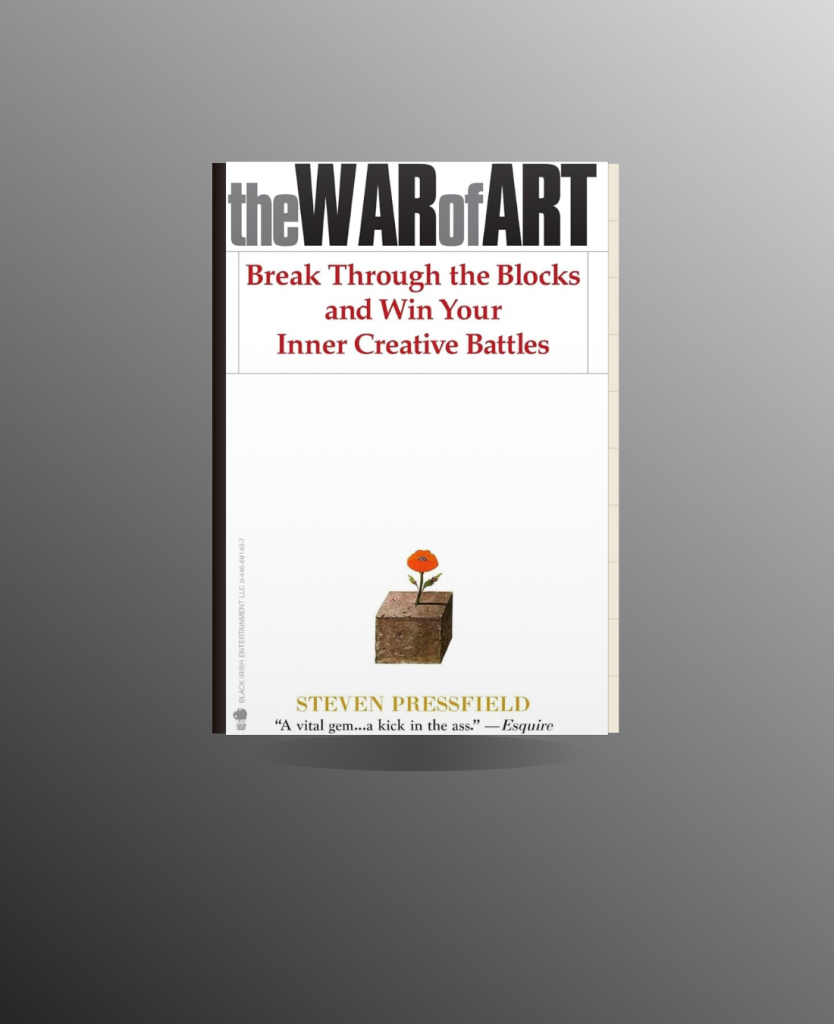
7. The War of Art — Steven Pressfield
For the days when you can’t bring yourself to do the thing. Short, fierce, and more honest about creative and entrepreneurial resistance than anything else in the genre.
Pressfield names the enemy — Resistance, with a capital R — and describes it with such precision that you will recognize it immediately in your own work. The moment you understand that resistance is strongest closest to the thing that matters most, you stop waiting for motivation and start showing up anyway.
Read it in one sitting. Then keep it close.
8. Start With Why — Simon Sinek
The golden circle. Why → How → What. Most businesses communicate from the outside in — this is what we do, this is how we do it. The ones that build real loyalty communicate from the inside out, starting with purpose. Still holds up.
The why is not a mission statement on a wall. It is the reason someone chooses you over a competitor who offers the same thing at the same price. In a market like Dubai where the options are endless, purpose is often the only real differentiator.
Know yours. Say it clearly. Say it first.
The list means nothing without the doing
None of these will work if they sit on a shelf. Read one, apply one idea, then read the next.
The entrepreneurs who get the most out of these books are not the ones who read the fastest. They are the ones who pause after a chapter, look at their business, and ask — where does this apply right now?
Knowledge compounds the same way capital does. Slowly, then suddenly.
👉 Books give you the framework. Experience gives you the results. Let us help with the second part.
Related Posts
- Juvy Ann Canto
- July 10, 2026
Why Your Brand Isn’t Converting (And It’s Not the Algorithm’s Fault)
L et’s get one thing straight. When your posts get zero engagement, when your website get ..
- Juvy Ann Canto
- July 3, 2026
The Power of Brand Identity & Visual Design
I n today’s fast-moving digital world, people decide how they feel about your brand in second ..